
A double-edged ball end milling cutter is a carbide end mill with two cutting flutes and a rounded tip. It is designed for smooth three-dimensional contouring, finishing, groove machining, and curved-surface work where balanced cutting and a clean finish are important.
Table of Contents
- Definition and geometry
- Key product features
- Applications
- Suitable materials
- Selection guide
- Speed and feed
- Setup checklist
- FAQ
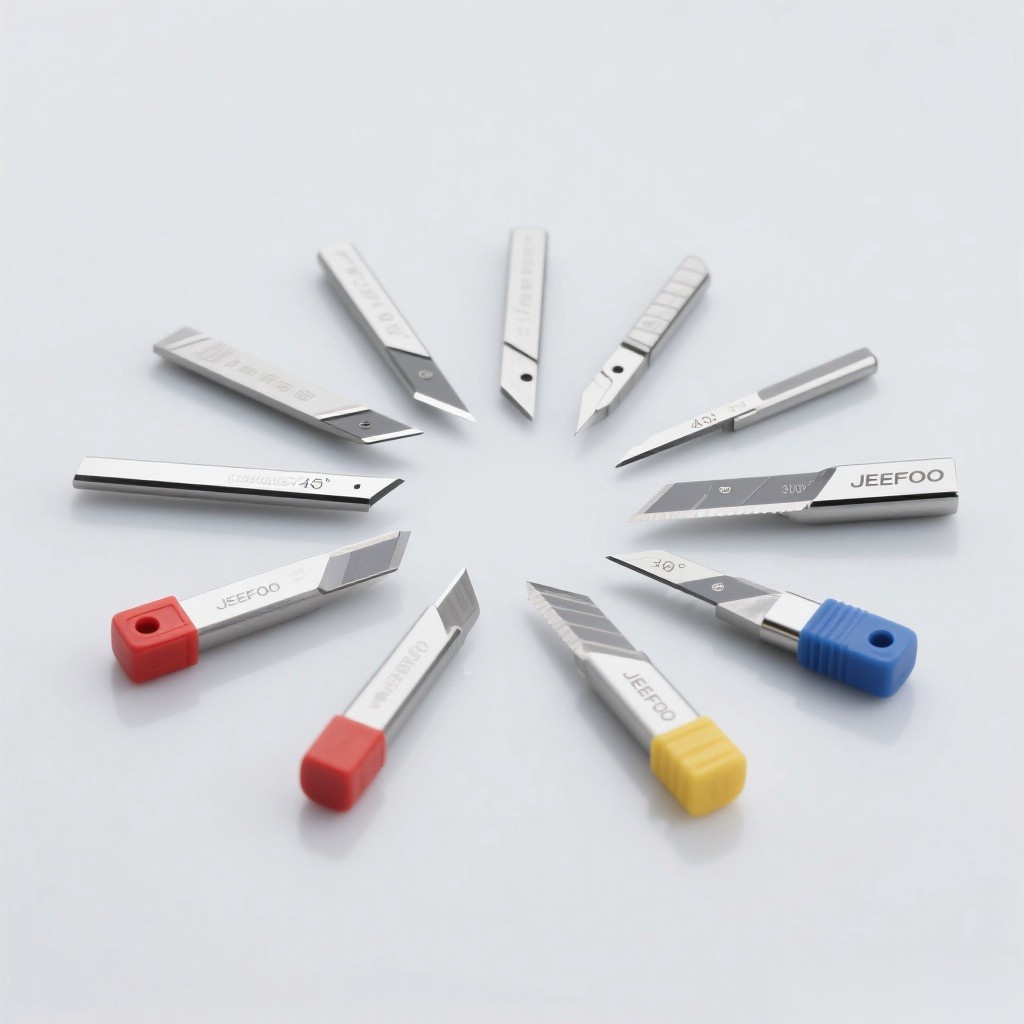
1. Definition and geometry
The hemispherical tip of a ball end mill creates a continuously changing contact point as it follows a curved toolpath. Two flutes provide balanced cutting forces and practical chip capacity. Solid micro-grain carbide improves rigidity, bending strength, wear resistance, and dimensional consistency.
2. Seven key product features
- Two cutting edges support stable, balanced milling.
- The rounded end follows 3D contours without leaving sharp internal steps.
- Fine-grain carbide provides strength and wear resistance.
- Precision grinding supports consistent radius and runout.
- Sharp edges can produce clean surfaces with fewer burrs.
- Multiple diameters and cutting lengths suit roughing and finishing tasks.
- Correct use delivers long tool life and repeatable results.
3. Common applications
A double-edged ball end milling cutter is used for 3D profiling, mold surfaces, relief carving, rounded slots, finishing passes, sculpted components, and complex cavity work. It can also remove material from board edges or pre-machined pockets when the toolpath maintains safe engagement.
4. Suitable materials
| Material | Typical task | Primary control |
|---|---|---|
| Wood / MDF | Relief carving and contours | Dust extraction and grain direction |
| Plastics | Curved profiles and finishing | Heat and chip evacuation |
| Aluminum | 3D finishing | Lubrication, rigidity, and runout |
| Non-ferrous alloys | Complex surfaces | Manufacturer-approved parameters |
Coating, edge preparation, helix angle, and flute polish must match the material. Do not assume that one carbide grade is ideal for every workpiece.
5. How to select the right cutter
Choose a ball radius small enough to reproduce the tightest surface detail. Use a larger diameter when rigidity and productivity matter more than fine detail. Select only the cutting length required by the feature and minimize overhang. Verify shank size, flute length, coating, and machine collet compatibility.
6. Speed, feed, and step-over
Start with the tool manufacturer’s parameters. Feed rate depends on spindle speed, two flutes, and target chip load. For finishing, step-over controls cusp height: a smaller step-over improves smoothness but increases machining time. Test on scrap and inspect chips, sound, spindle load, and surface quality before full production.
7. Setup checklist
- Inspect the rounded tip and both cutting edges for chips.
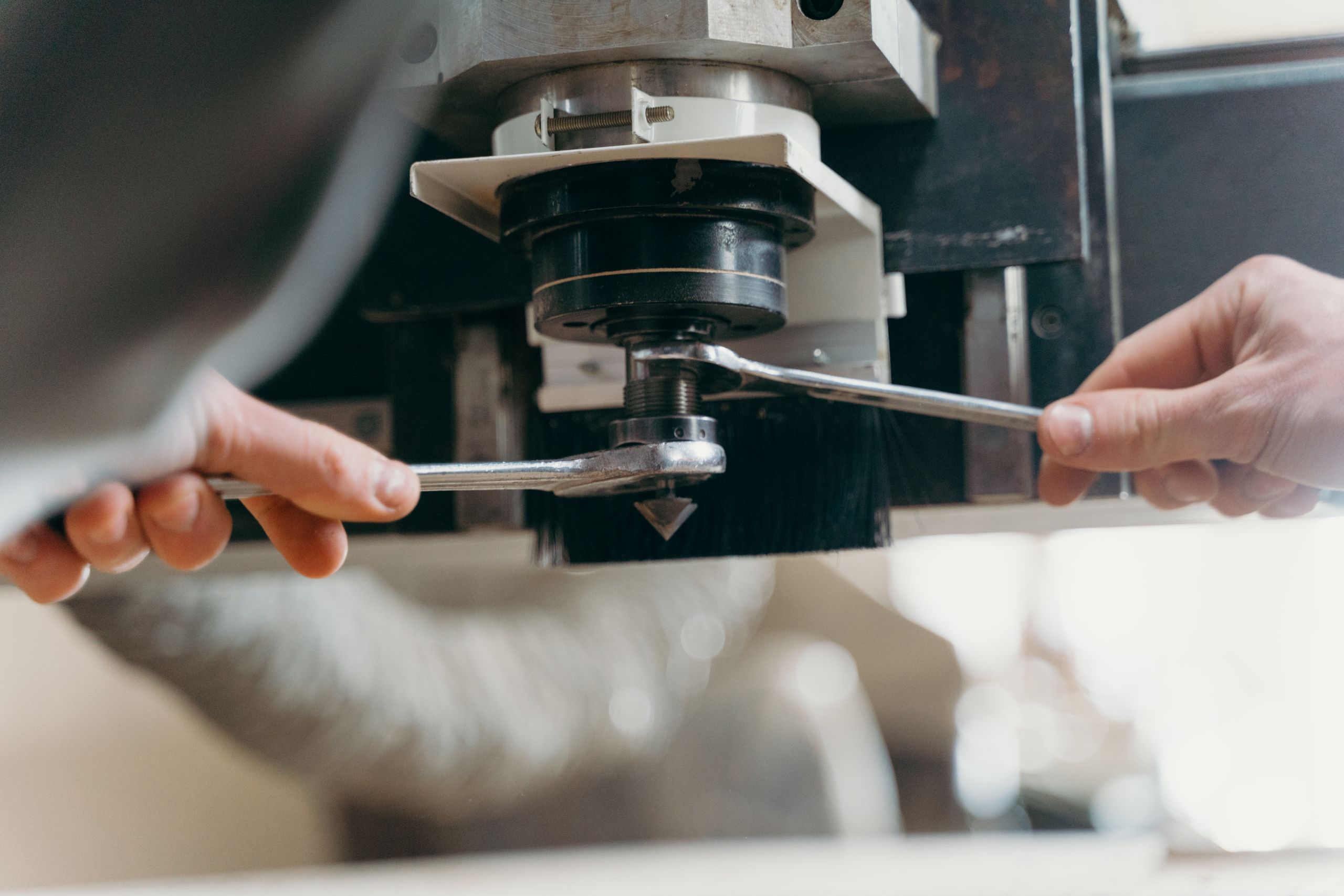
- Clean the shank and collet, then minimize tool overhang.
- Measure runout and secure the workpiece rigidly.
- Use a roughing tool first when significant stock must be removed.
- Set a safe step-down, step-over, entry move, speed, and feed.
- Provide suitable dust extraction, air blast, or lubrication.
- Keep machine guards in place and wear eye and hearing protection.
Troubleshooting
For best results with a double-edged ball end milling cutter, visible scallops usually require a smaller finishing step-over. Chatter may come from excess overhang, weak workholding, runout, or an unstable toolpath. Burrs or poor finish can indicate a dull edge, chip recutting, incorrect parameters, or unsuitable cutting direction.
For a broader overview, see our ball end mills guide. Operators should also follow recognized machine guarding guidance.
Frequently asked questions
Why use two flutes?
Two flutes provide balanced cutting and allow a practical feed rate at common spindle speeds while retaining enough flute space for chip evacuation.
Is a ball end mill suitable for flat surfaces?
It can finish shallow curved or blended areas, but a flat end mill is normally more efficient for broad flat floors. Use the geometry that matches the surface.
How is surface finish improved?
Use a rigid setup, low runout, a sharp cutter, stable parameters, and a small, consistent step-over. A dedicated finishing pass often gives the best result.
Summary
The double-edged ball end milling cutter combines a rounded tip, two balanced flutes, and carbide rigidity for accurate 3D profiling. Selecting a double-edged ball end milling cutter with the correct size, then controlling step-over, workholding, chips, and cutting parameters, determines finish quality and tool life.


发表回复
要发表评论,您必须先登录。